
Luxury Retail Trends in 2025
Equipo Tilopay · 26 de noviembre de 2024
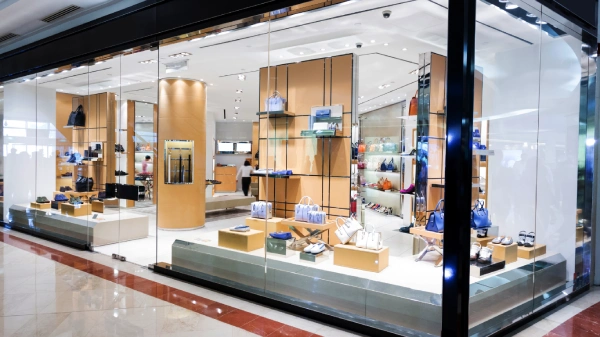
Discover the luxury retail trends for 2025: personalization, sustainability, and technology with Tilopay, the ideal solution for premium brands.
Luxury retail is constantly evolving to adapt to changing consumer preferences and capitalize on technological advances. In 2025, luxury brands will need to implement new strategies that help them attract younger customers, increase online sales, and bring more customers into their physical stores.
Below, we explore the industry’s top trends and how your brand can apply them to stay competitive.
<< Fast, secure, and hassle-free online payments for your business >>
The future of luxury retail marketing
Authenticity, craftsmanship, and an exceptional customer experience remain the foundations of success in the luxury market. However, a significant shift is taking place: younger generations, such as Millennials and Generation Z, are taking the lead in this market. According to eLuxury, consumers under 40 already account for 40% of the luxury market.
As digital natives, these generations naturally blend online and in-person experiences. They also expect brands to offer not only exclusive products, but also values aligned with sustainability, transparency, and personal connection.
What does this mean for luxury brands?
Authentic connection: Building genuine relationships with your customers through personalized experiences and authentic storytelling is essential.
Digital optimization: Brands must offer immersive experiences across their ecommerce channels.
Economic resilience: Despite economic challenges, brands must highlight the value and exclusivity of their products to capture consumers’ discretionary spending.
Key luxury retail trends for 2025
1. Cross-border transactions
Ecommerce allows customers to purchase luxury products from anywhere in the world, making it an essential channel for brands. In regions such as Central America and the Caribbean, differences in currencies, payment methods, and local regulations can create challenges for brands looking to expand.
How can you adapt?
Implement localized experiences, such as displaying prices in local currencies and offering low-cost international shipping options.
Use tools such as Tilopay, which simplifies international transactions and provides a seamless, secure experience.
Tilopay is designed to integrate seamlessly into Central American and Caribbean markets, offering solutions that remove common barriers to cross-border transactions:
Localized payments: Tilopay lets customers pay in their local currency, reducing friction during checkout and improving conversion rates.
Regulatory compliance: The platform complies with local and regional regulations, ensuring secure and reliable transactions.
Shipping cost optimization: Tilopay makes it easy to integrate with logistics partners that can reduce international costs and improve delivery times.
Multiple payment methods: The platform supports credit cards, debit cards, digital wallets, and other payment methods popular in the region, ensuring customers can pay however they prefer.
Benefits for your brand
With Tilopay, luxury brands can expand their reach in a region with growing interest in ecommerce without compromising the customer experience. By offering a seamless shopping experience tailored to local needs, your brand can reach audiences in emerging markets and strengthen its presence in Central America and the Caribbean.
2. Storytelling with founder-generated content
Founder-generated content puts brand leaders at the center of the story, creating an authentic connection with customers. This strategy resonates especially well on platforms such as Instagram and TikTok.
How can you apply it?
- Encourage your brand leaders to share genuine stories on social media.
- Use interviews and podcasts to build trust and attract new customers.
3. Interactive educational content
Luxury brands are embracing educational content that not only informs customers, but also lets them shop directly. This type of content, such as digital lookbooks, offers an engaging visual experience that combines inspiration with functionality.
Lookbooks are interactive catalogs that showcase product collections through stylized images, combining storytelling and aesthetics to immerse customers in the brand’s world.
Why are lookbooks important in luxury retail?
Digital lookbooks let customers explore collections in a more immersive and aspirational way, highlighting how products fit into a luxury lifestyle. Brands can also integrate "add to cart" buttons directly into the catalog, making it easy to purchase without interrupting the visual experience.
How can you implement it?
Create digital lookbooks that present your collections like fashion editorials, using stylized images and inspiring storytelling.
Integrate ecommerce tools such as Tilopay to enable direct payments within the lookbook and improve the customer’s shopping experience.
Tailor lookbooks to your target audience’s tastes and preferences, showcasing product combinations that highlight their versatility and exclusivity.
Featured example:
A luxury brand can design a lookbook that combines high-quality photos of its latest collection with detailed descriptions. Through interactive buttons, customers can explore products and complete their purchase without leaving the lookbook. This creates a seamless experience that drives conversions and reinforces the brand’s positioning as innovative and customer-focused.
Lookbooks do more than inspire—they also convert, transforming your brand story into tangible results.
4. Sustainability at the core
Consumers increasingly value sustainable practices. According to one report, 50% of the wealthiest consumers consider a brand’s social responsibility when making purchasing decisions.
Sustainable strategies:
Eliminate paper receipts by choosing digital copies, use sustainable materials, and explore rental models for luxury products. It is also worth communicating your sustainability efforts transparently to strengthen customer trust.
5. Buyback and recommerce programs
Luxury brands are adopting programs that allow customers to return used products. These programs not only promote sustainability, but also give brands an opportunity to generate additional revenue.
How can you implement it?
- Create a buyback platform where customers can return items and receive store credit or discounts.
- Enter the secondhand market to attract customers interested in more accessible luxury products.
6. Immersive augmented reality experiences
Augmented reality (AR) is transforming luxury retail by allowing customers to explore products in detail before making a purchase. This creates a richer, more immersive experience.
For example, you can use 3D models to display your products from every angle, increasing engagement and reducing returns.
How can you implement it?
- Integrate AR technology into your website to highlight product features such as textures and dimensions.
- Provide interactive tools that help customers visualize how products fit into their daily lives.
7. Personalized experiences through connected apps
Personalization is a cornerstone of the luxury industry. Mobile apps connected to point-of-sale (POS) systems allow sales associates to access real-time customer data, such as purchase history and preferences.
How can you apply it?
- Implement mobile POS systems that integrate customer data and enable payments from anywhere in the store.
- Create personalized loyalty programs that reward customers based on their purchase history.
8. Exclusive launches for VIP customers
The limited-release model creates a sense of exclusivity that increases products’ perceived value. Inviting your most valuable customers to purchase exclusive products before the general public encourages loyalty.
How can you implement it?
- Use tools such as Tilopay to automatically segment your VIP customers based on their purchase history.
- Organize exclusive launches that highlight the brand’s value and reward loyalty.
Capitalize on these trends in your luxury store
The luxury market in 2025 will be defined by personalization, sustainability, and immersive experiences. Implementing these trends will not only help you stay competitive, but also reach new audiences in an ever-changing market.
Tilopay is an essential competitive advantage for luxury brands. This omnichannel payment solution offers flexibility, security, and personalization—key elements for meeting luxury consumers’ expectations. With features such as international payment integration, tokenization to protect sensitive data, and seamless purchasing options, Tilopay helps your brand deliver a premium experience that strengthens customer loyalty and optimizes your operations.